Free AU Shipping on orders above $120


NO POLYESTER EVER
Where To Start

Black Midi Slip Dress Wildalaya
$70.00
Regular price
$99.00
Minimum price
$70.00
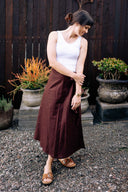
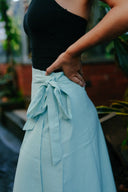

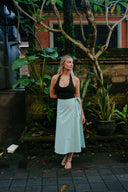
Everyday Hemp Wrap Skirt Buy 2 Get 10% Off
$115.00
Regular price
$115.00


Nullarbor Shirt (Olive)
$97.00
Regular price
$112.00
Minimum price
$97.00
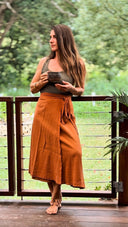

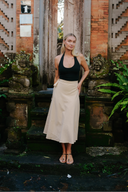
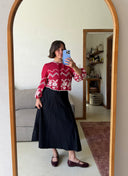
Wildalaya Signature Wrap Skirt
$90.00
Regular price
$100.00
Minimum price
$90.00


Ash Black Wrap Tie Top
$45.00
Regular price
$45.00


Aruna Wildalaya Shirt Dress Buy 2 Get 10% Off
$72.00
Regular price
$90.00
Minimum price
$72.00


Mossy Grove Pants Buy 2 Get 10% Off
$75.00
Regular price
$75.00


Sandy Wrap Tie Top
$45.00
Regular price
$45.00


Sandy Straight Pants
$75.00
Regular price
$75.00
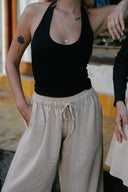
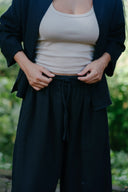
Wildalaya Flow Pants Buy 2 Get 10% Off
$70.00
Regular price
$70.00

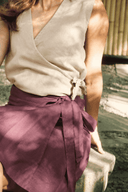
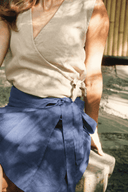

The Heirloom Wrap Skirt — Short
$120.00
Regular price
$120.00
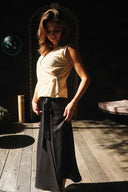
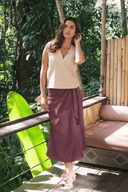
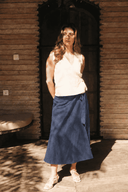
The Heirloom Wrap Skirt — Long
$160.00
Regular price
$160.00
Polyester is everywhere. Here's why.
It's cheap to make, quick to produce, and easy to blend, so most wardrobes end up built on it by default, not by choice. It can feel clingy, hold onto heat and odour, and sometimes you can simply feel the difference against your skin.


Natural & plant-derived
Four ways to leave polyester
Why Natural Fibres Can Feel Better To Wear
Less hot & clammy
Cotton, linen and hemp allow air to move through the fabric, helping heat and moisture escape instead of leaving clothing feeling stuffy against your skin.
Feel fresher for longer
Synthetic fabrics can hold onto body odour more noticeably. Natural fibres often feel fresher through long days, warm weather and repeated wear.
Softer against skin
When something sits against your body for eight hours or more, fabric matters. We choose fibres for softness, breathability and the way they feel as you move.
Natural vs synthetic fabrics at a glance
| Feature | Natural fabrics | Synthetic fabrics |
|---|---|---|
| Common examples | Hemp, cotton, linen, wool, silk | Polyester, nylon, acrylic, elastane |
| Where they come from | Plant or animal sources | Often petroleum-based chemical sources |
| Breathability | Often naturally breathable and moisture-absorbing | Can trap heat unless engineered for performance |
| Texture | Softens, creases and develops character with wear | Often smoother, more uniform and wrinkle-resistant |
| Best suited to | Everyday comfort, slow fashion, breathable clothing | Activewear, performance garments, stretch, low-cost production |
Frequently asked questions
Polyester is a synthetic fibre usually made from petroleum-derived materials. These are processed into a plastic polymer, melted and spun into fine fibres that can then be woven or knitted into clothing.
For everyday clothing, we don't think it does. Polyester holds onto heat and odour, and it doesn't soften or improve with wear the way natural fibres do. Every Wildalaya piece is cotton, hemp, linen or lyocell, chosen because they breathe, soften and feel better the longer you wear them.
Often, yes. Fibres such as cotton, linen and hemp can absorb moisture and allow air to move through the fabric, which can make them feel more comfortable in warm weather. The weave, fabric weight and garment design also make a difference.
Some natural fibres can shrink, particularly when exposed to high heat. We recommend washing Wildalaya pieces gently in cool water and avoiding high-temperature tumble drying to help maintain their shape and fit.
We work primarily with cotton, hemp and linen, alongside carefully selected plant-derived fibres such as lyocell when we want additional softness and drape.
We choose each fabric based on how it feels, breathes, moves and works with the garment — and we don't use polyester in our clothing.