Free AU Shipping on orders above $120


Dressed in nature: why your fabric choice matters
🌿
Every time a synthetic garment is washed, it sheds hundreds of thousands of invisible plastic fibres into our waterways. They reach the ocean. They enter the food chain. They are found in human blood. The solution is simpler than you think — it starts with what you wear.
700k plastic microfibres shed per synthetic wash cycle
35% of ocean microplastics traced to textile washing
0 microplastics released by natural fibre garments
The invisible problem with synthetic fabrics
Polyester, nylon, acrylic, spandex — the modern wardrobe is dominated by petroleum-derived fibres. They are cheap, stretchy, and wrinkle-resistant. They are also a slow-motion environmental disaster. Each wash cycle agitates the fabric, snapping off microfibres too small to be caught by standard washing machine filters. These particles travel through wastewater treatment plants, into rivers, and ultimately into the ocean — where they are ingested by marine life, bioaccumulate up the food chain, and end up on your dinner plate.
Natural fibres, by contrast, break down. They are not plastics. They do not persist in the environment for centuries. When a cotton t-shirt or a hemp jacket sheds fibres in the wash, those fibres are cellulose — biodegradable, and harmless to ecosystems.
"Choosing natural fibres is not a style statement — it is one of the most impactful environmental decisions you can make as a consumer."
The two champions: cotton and hemp
Cotton
Soft · Breathable · Timeless
Cotton is one of the oldest cultivated fibres on earth. Cotton is a natural, breathable fibre that feels soft against the skin and helps keep the body comfortable in warm weather. Unlike polyester, which is made from plastic, cotton is biodegradable and does not release plastic microfibres every time it is washed. It is also less likely to trap heat and odours, making it a more comfortable and natural choice for everyday clothing.
Hemp
Durable · Regenerative · Raw
Hemp may be fashion's most underrated fabric. It requires no pesticides, uses a fraction of the water cotton needs, and actually improves the soil it grows in — sequestering carbon as it goes.
Hemp fabric is naturally antimicrobial, UV-resistant, and becomes softer and more supple over time. It is arguably the most ecological fibre available, and it is utterly plastic-free.
Other natural fibres worth knowing
Nature's full wardrobe
Linen (flax) Crisp, lightweight, and incredibly durable. Linen is made from the flax plant with minimal processing, and biodegrades completely. Ideal for warm weather.
Merino wool From sheep, not oil wells. Merino is naturally odour-resistant, temperature-regulating, and fully biodegradable. Ethically sourced merino is an excellent synthetic-free choice for activewear.
Tencel / Lyocell Made from sustainably harvested wood pulp in a closed-loop process. While semi-synthetic in origin, it is biodegradable and releases no microplastics. A good bridge option.
Silk A natural protein fibre from silkworm cocoons. Zero plastic, fully biodegradable, and luxuriously smooth. Look for peace silk if animal welfare is a priority for you.
Your practical guide to buying better
1
Read the labelLook for 100% cotton, 100% hemp, linen, or wool. Anything ending in "-ester" or "-lon" is plastic.
2
Look beyond the buzzwordsWords like “eco”, “green” and “sustainable” can be misleading.
3
Wash cold and less oftenFor any fabric, cold water and less frequent washing reduces fibre shedding and extends garment life dramatically.
4
Buy less, buy betterA single well-made hemp shirt will outlast three fast-fashion polyester ones — and leave no plastic trace behind.
The Wildalaya promise
Every piece in the Wildalaya collection is made from certified natural fibres — no polyester, no nylon, no synthetic blends. We believe that beautiful clothing and a clean planet are not in conflict. They are, in fact, the same goal.
When you wear Wildalaya, you are wearing something that was grown from the earth and will return to it — leaving nothing behind except a lighter footprint.
Best Sellers
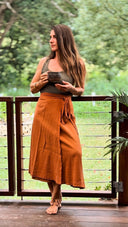

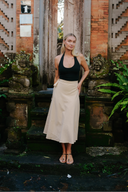
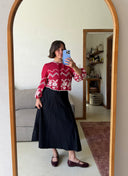
Wildalaya Signature Wrap Skirt
$90.00
Regular price
$100.00
Minimum price
$90.00

Wildalaya Wrap Dress
$87.00
Regular price
$110.00
Minimum price
$87.00


Clay Red Midi Dress
$55.00
Regular price
$75.00
Minimum price
$55.00


Sandy Wrap Top
$60.00
Regular price
$60.00
Dressed in Nature: Why your fabric choice matters